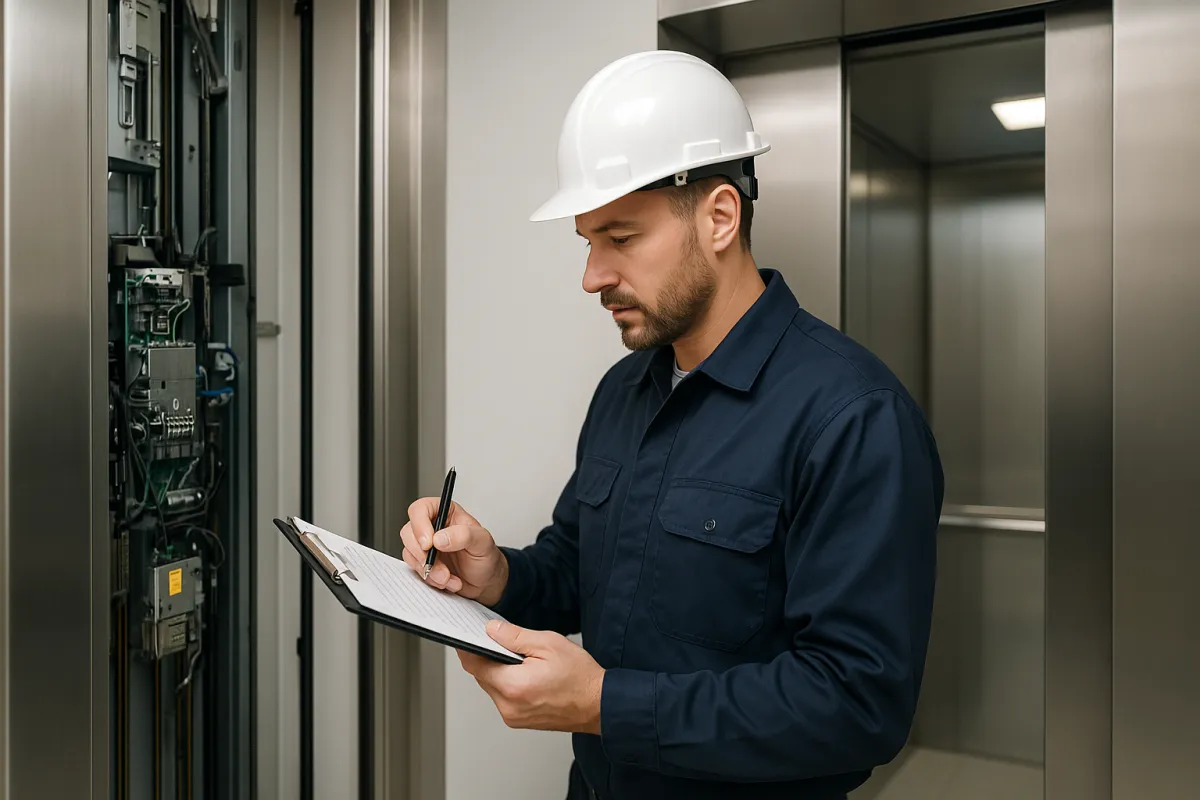
Elevator maintenance checklists are indispensable tools for ensuring the safety and efficiency of elevator systems in any building. These checklists serve as a roadmap for facility managers, building owners, and maintenance professionals who aim to maintain the optimal operation of elevators. By systematically addressing each component and function of an elevator, these checklists help prevent accidents, reduce downtime, and extend the lifespan of the equipment. In this guide, we will explore essential items to include in your elevator maintenance checklists, along with valuable elevator maintenance tips, to ensure comprehensive and effective servicing.
Understanding the Importance of Elevator Maintenance
Elevators are complex machines that require regular upkeep to function safely and efficiently. Without proper maintenance, elevators can become unreliable and potentially hazardous. Regular maintenance not only ensures compliance with safety regulations but also minimizes the risk of costly repairs and legal liabilities. By implementing a structured maintenance schedule for elevators, building managers can proactively address potential issues before they escalate.
Key Benefits of Regular Elevator Maintenance
- Safety: Regular inspections and maintenance reduce the risk of accidents and ensure compliance with safety standards. For instance, routine checks can identify worn-out cables or malfunctioning brakes, preventing possible accidents.
- Reliability: Well-maintained elevators experience fewer breakdowns, minimizing inconvenience for building occupants. A reliable elevator system enhances tenant satisfaction and can be a key factor in retaining tenants in commercial spaces.
- Cost Savings: Preventive maintenance helps avoid expensive repairs and prolongs the lifespan of elevator components. For example, lubricating moving parts regularly can prevent wear and tear, reducing the need for costly replacements.
- Regulatory Compliance: Adhering to maintenance schedules ensures compliance with local elevator safety inspections and regulations. Compliance not only avoids fines but also enhances the reputation of the building management.
Essential Items for an Elevator Maintenance Checklist
Creating a comprehensive preventive maintenance checklist is crucial for effective elevator upkeep. Here are essential items to include in your elevator maintenance checklists:
1. Visual Inspections
- Cab Interior: Check the condition of the walls, ceiling, flooring, and lighting. Ensure that emergency lighting is functional. This not only ensures aesthetics but also the safety of passengers.
- Doors: Inspect door panels, tracks, and locks for wear and tear. Ensure smooth operation and proper alignment. Misaligned doors can lead to safety hazards and operational inefficiencies.
- Control Panels: Verify the functionality of buttons, lights, and indicators. Check for any signs of damage or vandalism. A malfunctioning control panel can lead to user frustration and operational issues.
2. Operational Checks
- Ride Quality: Test the elevator's ride for smoothness, noise, and speed. Abrupt stops or jerky movements indicate potential issues. A smooth ride is crucial for passenger comfort and safety.
- Door Operation: Ensure doors open and close smoothly and within the correct timing. Listen for unusual noises during operation. Proper door operation prevents accidents and enhances the elevator's efficiency.
- Leveling Accuracy: Check that the elevator stops level with the floor to prevent tripping hazards. Accurate leveling is vital for user safety and accessibility.
3. Mechanical and Electrical Inspections
- Machine Room: Inspect the cleanliness and organization of the machine room. Check for leaks, unusual noises, or vibrations. A well-maintained machine room is essential for the smooth operation of the elevator system.
- Wiring and Connections: Examine electrical connections for signs of wear or corrosion. Ensure that all wires are secured and insulated. Secure wiring prevents electrical failures and potential fire hazards.
- Hydraulic Systems: For hydraulic elevators, check the oil levels and look for leaks in the system. Proper maintenance of hydraulic systems ensures efficient operation and prevents costly repairs.
4. Safety Features
- Emergency Alarms: Test the functionality of emergency alarms and communication systems. Reliable emergency systems are critical for passenger safety during malfunctions.
- Brake Systems: Inspect the brake systems for wear and proper operation. Ensure that emergency brakes are functional. Effective brakes are crucial for preventing accidents.
- Safety Edges and Sensors: Verify that safety edges and door sensors are operational to prevent accidents. These features are essential for detecting obstructions and ensuring passenger safety.
5. Documentation and Record Keeping
- Maintenance Logs: Keep detailed records of all maintenance activities, including dates, actions taken, and parts replaced. Comprehensive logs help track maintenance history and plan future servicing.
- Inspection Reports: Document the results of safety inspections and any corrective actions required. Regular documentation ensures accountability and compliance.
- Compliance Records: Maintain records of compliance with local regulations and safety inspections. Accurate records demonstrate regulatory adherence and can be crucial during audits.
Elevator Maintenance Tips for Optimal Performance
To ensure the effectiveness of your elevator maintenance checklists, consider the following elevator maintenance tips:
Establish a Regular Maintenance Schedule
Develop a consistent maintenance schedule for elevators that aligns with manufacturer recommendations and local regulations. Regular servicing helps identify issues early and ensures that all components are functioning correctly. A well-planned schedule reduces unexpected breakdowns and enhances system reliability.
Train Maintenance Personnel
Ensure that maintenance personnel are properly trained and certified to perform elevator servicing. Regular training updates help technicians stay informed about the latest industry standards and technological advancements. Skilled personnel are more likely to identify and address issues promptly, ensuring efficient elevator operation.
Use Quality Replacement Parts
When repairs are necessary, use high-quality replacement parts to ensure the longevity and reliability of the elevator system. Cheap or substandard parts can lead to more frequent breakdowns and increased maintenance costs. Investing in quality parts can save money in the long run by reducing the frequency of repairs.
Implement a Proactive Elevator Repair Checklist
Create a proactive elevator repair checklist to address common issues promptly. This checklist should include items such as unusual noises, slow operation, and frequent breakdowns, allowing for timely intervention. Proactive measures help prevent minor issues from becoming major problems.
The Role of Technology in Elevator Maintenance
Advancements in technology have revolutionized elevator maintenance, offering new tools and solutions for monitoring and servicing elevators. Integrating technology into your maintenance strategy can enhance the efficiency and accuracy of inspections.
Predictive Maintenance Solutions
Predictive maintenance uses data analytics and sensors to monitor elevator performance in real-time. By analyzing data trends, these solutions can predict potential failures, allowing maintenance teams to address issues before they occur. Predictive maintenance enhances reliability and reduces unexpected downtime.
Remote Monitoring Systems
Remote monitoring systems enable maintenance teams to track elevator performance remotely, providing real-time alerts for any anomalies. This technology allows for faster response times and efficient allocation of maintenance resources. Remote monitoring ensures that issues are addressed swiftly, minimizing disruption to building operations.
Conclusion
Elevator maintenance checklists are vital for ensuring the safety, reliability, and longevity of elevator systems. By including essential items such as visual inspections, operational checks, and safety feature assessments, facility managers and maintenance professionals can maintain elevators effectively. Implementing a regular maintenance schedule, training personnel, and leveraging technology further enhance maintenance efficiency. By following this comprehensive elevator servicing guide, building owners can ensure their elevators operate smoothly and safely, providing peace of mind for all occupants.