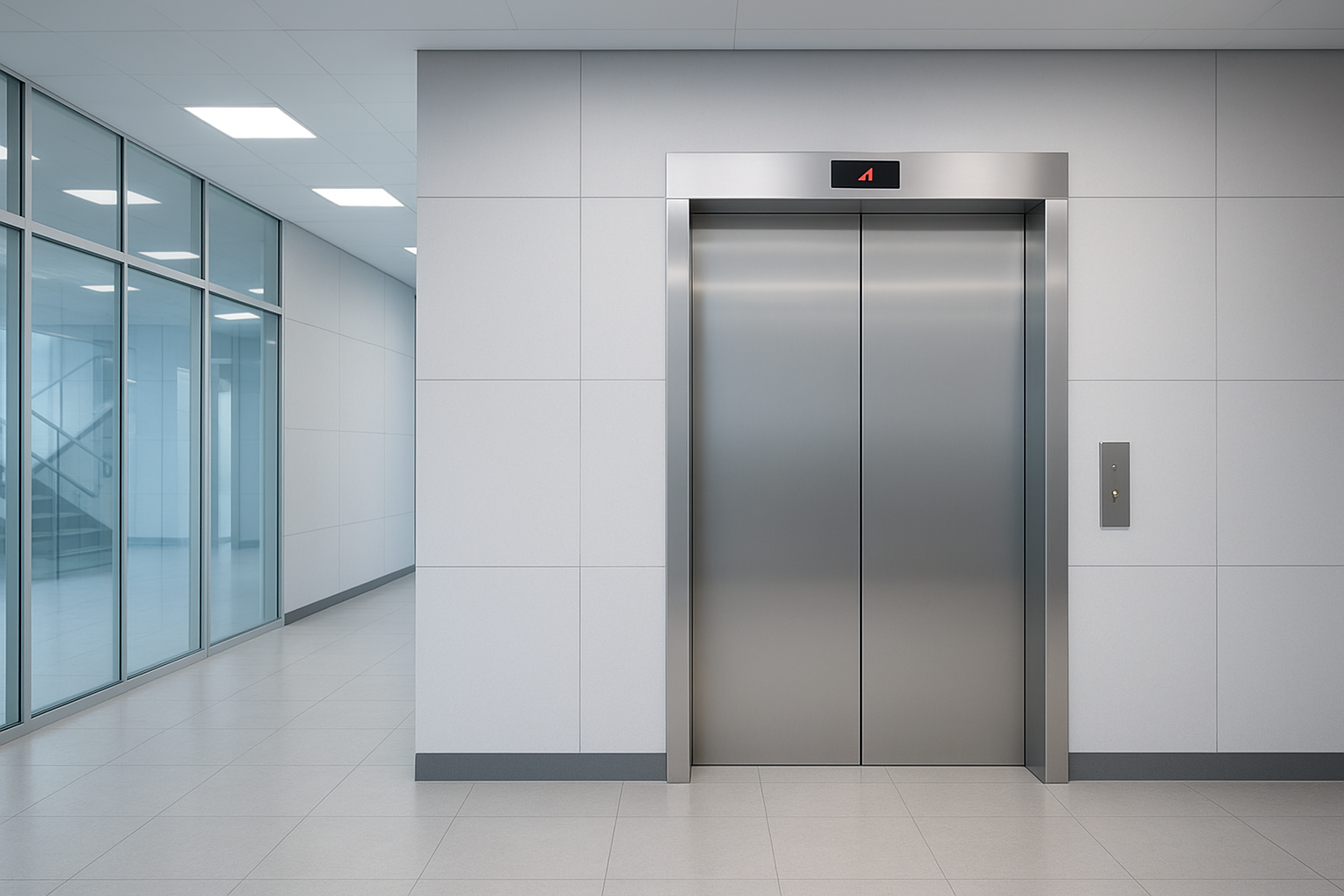
As the world grapples with the urgent need to address climate change and reduce carbon emissions, energy efficiency regulations for elevators have become a pivotal focus. These regulations are not only reshaping the elevator industry but also significantly impacting building owners and facility managers who are keen on adopting sustainable practices. By examining the implications of these regulations, we can better understand how they contribute to sustainability in elevators and what steps need to be taken to ensure compliance and efficiency. Energy efficiency regulations for elevators are crucial for reducing energy consumption, aligning with building codes, and promoting the adoption of energy-saving technologies, which are essential for regulatory compliance in elevators.
Understanding Energy Efficiency Regulations
Energy efficiency regulations for elevators are designed to minimize the energy consumption of elevator systems, thereby reducing the overall environmental footprint of buildings. These regulations are often part of broader building codes aimed at promoting sustainability and energy conservation. They typically include requirements for energy-saving technologies and standards that elevators must meet to be deemed compliant.
Key Components of Energy Efficiency Regulations
-
Performance Standards: Elevators must adhere to specific energy performance standards, which dictate the maximum allowable energy usage. These standards are often determined by factors such as the type of building, the frequency of elevator use, and technological capabilities. For example, a high-rise office building might have different standards compared to a residential complex, reflecting the varied demands and usage patterns.
-
Energy-Saving Technologies: Regulations encourage the adoption of advanced technologies that improve elevator energy efficiency. This includes regenerative drives, LED lighting, and smart control systems that optimize elevator operations based on real-time usage patterns. An example of this is the use of destination control systems, which group passengers traveling to similar floors, reducing the number of stops and energy consumed.
-
Regular Inspections and Certification: To ensure compliance, elevators are subject to regular inspections and must be certified as energy-efficient. This process typically involves testing and verification by authorized bodies. Building owners need to maintain meticulous records of these inspections to ensure ongoing compliance and avoid potential penalties.
The Role of Sustainability in Elevators
Sustainability in elevators is an essential aspect of modern building management. By focusing on energy efficiency, building owners can significantly reduce their operational costs while contributing to environmental conservation. Energy-efficient elevators not only consume less power but also often have longer life spans due to reduced wear and tear.
Benefits of Sustainable Elevator Practices
-
Cost Savings: Energy-efficient elevators reduce electricity bills. The initial investment in modernizing elevators with energy-saving technologies can be offset by long-term savings on energy costs. For instance, a building that upgrades its elevators to include regenerative braking systems might see a reduction in energy usage by up to 30%, translating to substantial financial savings over time.
-
Environmental Impact: By consuming less energy, elevators help lower the carbon footprint of buildings. This is crucial for buildings aiming to achieve green certification or comply with environmental regulations. For example, LEED certification considers energy efficiency as a key criterion, and energy-efficient elevators can contribute significantly to achieving such certifications.
-
Improved Building Value: Sustainable practices enhance the marketability of a building. Energy-efficient elevators can be a selling point for tenants and buyers who prioritize sustainability. A study by the Urban Land Institute found that green-certified buildings, including those with energy-efficient elevators, often have higher occupancy rates and rental premiums.
Building Codes and Their Influence
Building codes for elevators have evolved to incorporate stringent energy efficiency requirements. These codes are critical in setting baseline standards that ensure elevators are not only safe but also environmentally friendly.
How Building Codes Shape Elevator Design
-
Incorporation of New Technologies: Modern building codes often require the integration of energy-saving technologies in new elevator installations. This encourages innovation and the adoption of cutting-edge solutions in the industry. For example, newer codes might mandate the use of variable frequency drives (VFDs) that adjust motor speed to match the demand, thereby optimizing energy use.
-
Retrofitting Requirements: For older buildings, codes may mandate retrofitting existing elevators to meet current energy efficiency standards. This can involve updating outdated systems with modern components that offer better performance. Retrofitting can be a cost-effective way to improve energy efficiency without the need for complete replacement.
-
Compliance and Penalties: Building owners who fail to comply with energy efficiency regulations for elevators may face penalties. This underscores the importance of adhering to regulations and continuously monitoring elevator performance. Non-compliance can result in fines or even restrictions on building operations, making ongoing compliance a critical concern for facility managers.
Energy-Saving Technologies in Elevators
The implementation of energy-saving technologies is central to achieving elevator energy efficiency. These technologies not only improve performance but also reduce operational costs and environmental impact.
Innovative Technologies Driving Efficiency
-
Regenerative Drives: These systems recover energy that would otherwise be wasted during the elevator's braking process and feed it back into the building's power grid. This technology can significantly reduce energy consumption. For instance, regenerative drives can convert up to 70% of the energy that would be lost during braking into usable electricity.
-
LED Lighting: Replacing traditional lighting with LED lights in elevators can lead to substantial energy savings. LED lights are more efficient and have a longer lifespan, reducing maintenance costs. An elevator using LED lighting can consume up to 80% less energy compared to those using incandescent bulbs.
-
Smart Control Systems: These systems use data analytics to optimize elevator operations, ensuring that elevators run only when necessary and in the most efficient manner possible. For example, smart systems can learn traffic patterns and adjust elevator availability accordingly, reducing idle times and energy use.
Regulatory Compliance and Modernization
Regulatory compliance for elevators is essential to ensure that they meet the required energy efficiency standards. Elevator modernization is often necessary to achieve compliance, especially in older buildings.
Steps to Achieve Regulatory Compliance
-
Audit and Assessment: Conducting a thorough audit of existing elevator systems to identify areas where energy efficiency can be improved. This might involve assessing the current energy usage patterns and identifying outdated components that need replacement.
-
Upgrade and Retrofit: Implementing upgrades or retrofits to incorporate energy-saving technologies and meet current regulations. This could include installing new control systems, upgrading lighting, or integrating regenerative drives into existing systems.
-
Continuous Monitoring: Using monitoring systems to track elevator performance and ensure ongoing compliance with energy efficiency standards. Advanced monitoring solutions can provide real-time data on energy usage, helping facility managers make informed decisions about further improvements.
Challenges and Opportunities
While the push for energy efficiency in elevators presents challenges, it also offers significant opportunities for building owners and industry professionals.
Challenges
-
Initial Costs: The upfront cost of modernizing elevators can be a barrier for some building owners. However, the long-term savings and benefits can justify the investment. Financial incentives, such as tax credits or grants, may be available to offset these costs.
-
Technical Expertise: Implementing energy-efficient solutions requires specialized knowledge and expertise, which may necessitate hiring consultants or contractors. Building owners may need to invest in training for their maintenance staff to ensure they are equipped to manage new technologies.
Opportunities
-
Increased Demand for Sustainable Buildings: As demand for sustainable buildings grows, energy-efficient elevators become a valuable asset, enhancing property value and attractiveness. Tenants are increasingly looking for buildings that align with their sustainability goals, and energy-efficient elevators can be a key differentiator.
-
Innovation and Development: The focus on energy efficiency drives innovation within the elevator industry, leading to the development of new technologies and solutions. Companies that invest in research and development of energy-efficient technologies can gain a competitive edge in the market.
Conclusion
Energy efficiency regulations for elevators are a critical component of modern building management, driving sustainability and reducing environmental impact. For building owners and facility managers, understanding and complying with these regulations is essential to achieving energy efficiency and enhancing building value. By embracing energy-saving technologies and modernizing elevator systems, the industry can continue to innovate and contribute to a more sustainable future. As regulatory landscapes evolve, staying informed and proactive will be key to navigating the challenges and seizing the opportunities presented by energy efficiency in elevators. Building owners who invest in energy-efficient solutions not only comply with regulations but also position themselves as leaders in sustainability, enhancing their reputation and appeal in the market.