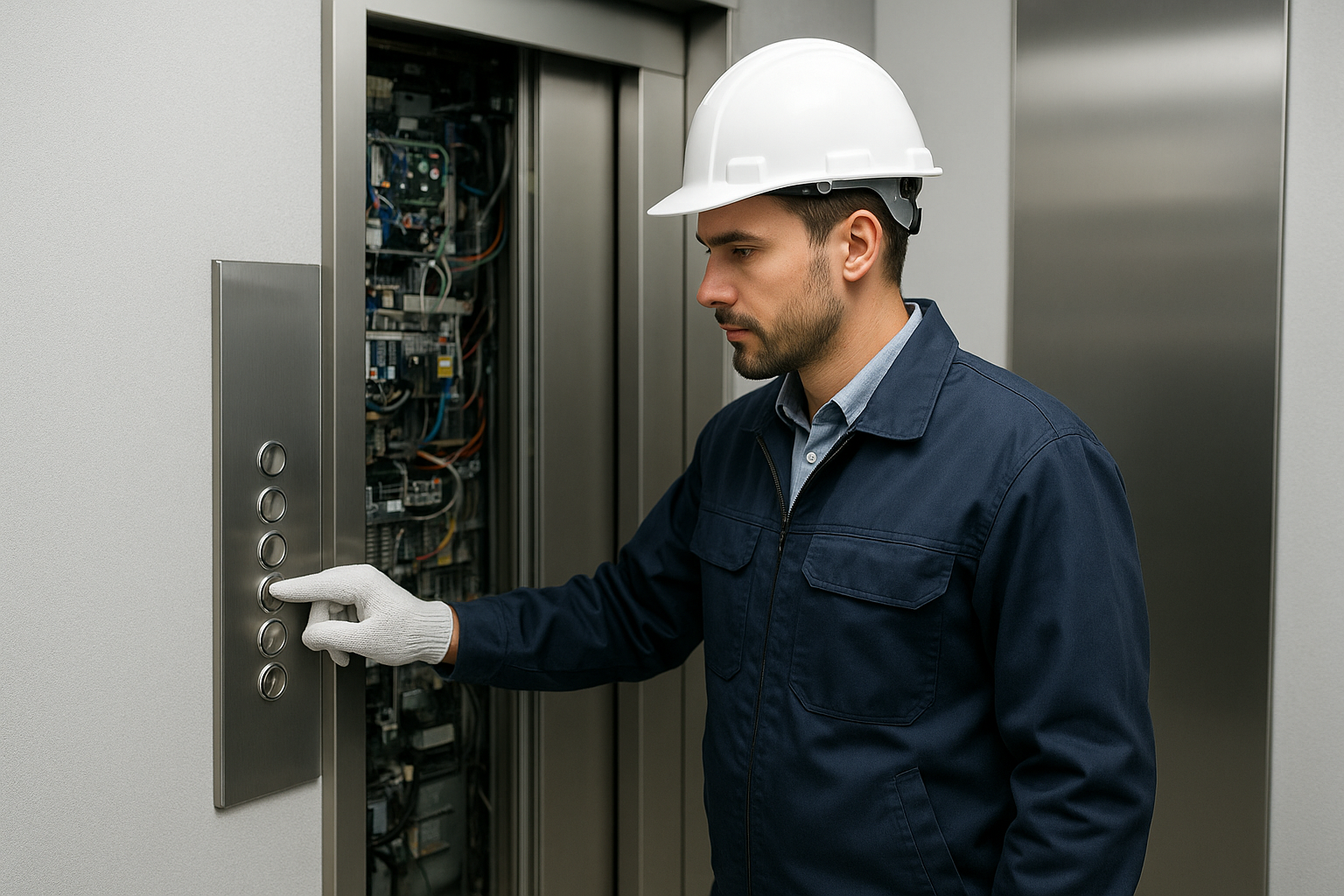
Navigating the complex landscape of Turkey Elevator Maintenance Regulations is crucial for service companies aiming to ensure both compliance and safety in their operations. With the evolving nature of regulations, particularly as we approach 2026, understanding these guidelines is more important than ever. This comprehensive guide provides an in-depth look at the current and upcoming regulations, helping service companies stay ahead in the Turkey elevator industry.
Understanding Turkey's Elevator Safety Standards
Elevator safety standards in Turkey are designed to protect passengers and maintenance personnel, ensuring that all elevators operate safely and efficiently. These standards are part of a broader regulatory framework that service companies must adhere to. The standards encompass various aspects, including installation, maintenance, and periodic inspections, each critical for maintaining the integrity and safety of elevator systems.
Key Aspects of Safety Standards
-
Installation Requirements: New elevators must comply with strict installation guidelines to ensure safety from the outset. This includes specifications for materials, design, and technology. For instance, elevators must be equipped with emergency brakes and communication systems to handle unexpected situations. The materials used must meet specific fire resistance and durability criteria to withstand various environmental conditions.
-
Maintenance Protocols: Regular maintenance is mandated to prevent malfunctions and accidents. Service companies must perform routine checks and repairs as part of their service agreements. These checks include assessing mechanical components, electrical systems, and ensuring the functionality of safety devices. An example is the frequent testing of emergency stop buttons to ensure they function correctly in emergencies.
-
Periodic Inspections: Elevators are subject to periodic inspections to ensure ongoing compliance with safety standards. These inspections are conducted by certified professionals who assess the elevator's condition and operational safety. For instance, inspectors check the alignment of elevator doors, the condition of cables, and the performance of the motor drive systems.
Overview of Elevator Maintenance Laws
Elevator maintenance laws in Turkey are comprehensive and cover various aspects of service and safety. These laws are enforced to minimize risks associated with elevator use and to ensure that service companies provide high-quality maintenance services.
Legal Obligations for Service Companies
-
Certification and Licensing: Service companies must be certified and licensed to operate legally in the elevator maintenance industry. This ensures that all personnel are adequately trained and qualified. For example, technicians must undergo rigorous training programs that cover both theoretical knowledge and practical skills related to elevator systems.
-
Documentation and Reporting: Companies are required to maintain detailed records of all maintenance activities, inspections, and repairs. This documentation is crucial for compliance and in the event of an audit or inspection. Detailed logs of service visits, parts replaced, and issues addressed are essential for demonstrating adherence to Turkey lift regulations 2026.
-
Response to Malfunctions: In case of a malfunction, service companies must respond promptly to resolve the issue and ensure the safety of elevator users. This often involves having a 24/7 emergency response team ready to address urgent repairs and ensure minimal downtime.
Turkey Lift Regulations 2026: What to Expect
As we approach 2026, Turkey's lift regulations are set to undergo significant updates to enhance safety and efficiency in the elevator industry. These upcoming changes are part of Turkey's commitment to aligning with international standards and improving public safety.
Anticipated Changes in Regulations
-
Enhanced Safety Protocols: New regulations are expected to introduce stricter safety protocols, particularly concerning emergency systems and communication devices within elevators. This may include mandatory installation of advanced emergency communication systems that allow direct contact with emergency services.
-
Technology Integration: There will likely be a push towards integrating more advanced technologies, such as IoT and AI, to improve maintenance predictability and efficiency. IoT sensors could provide real-time data on elevator performance, enabling predictive maintenance and reducing the likelihood of unexpected failures.
-
Environmental Considerations: Sustainability will play a larger role, with regulations encouraging the use of energy-efficient systems and environmentally friendly materials. Elevators may be required to incorporate regenerative drives that reduce energy consumption and contribute to a building's overall energy efficiency.
Service Company Compliance: Staying Ahead
For service companies, compliance with Turkey's elevator maintenance regulations is not just a legal obligation but a competitive advantage. Companies that prioritize compliance can build trust with clients and distinguish themselves in the marketplace.
Strategies for Compliance
-
Regular Training and Updates: Keeping staff informed about the latest regulations and safety standards is crucial. Regular training sessions and workshops can help ensure that all team members are knowledgeable and compliant. This might involve inviting experts to conduct seminars on the latest elevator safety technologies.
-
Investment in Technology: Adopting the latest technology can streamline maintenance processes and improve service quality. Tools such as predictive maintenance software can help identify potential issues before they become critical. For instance, AI-driven diagnostics can predict component failures based on historical data and current performance trends.
-
Partnerships with Regulatory Bodies: Building strong relationships with regulatory bodies can provide companies with insights into upcoming changes and facilitate smoother compliance processes. Regular meetings with regulatory officials can help service companies stay informed and proactive in adopting new regulations.
Elevator Inspection Requirements
Inspection is a critical component of Turkey's elevator safety framework. Regular inspections help ensure that elevators remain safe and operational, mitigating risks and enhancing user confidence.
Types of Inspections
-
Initial Inspections: Conducted after installation, these inspections verify that the elevator meets all regulatory requirements before it is put into service. This includes checking the installation against approved plans and ensuring all safety features are operational.
-
Periodic Inspections: These are routine checks conducted at specified intervals to ensure continued compliance with safety standards. Periodic inspections often involve detailed assessments of wear and tear on critical components such as cables and pulleys.
-
Special Inspections: Triggered by specific events, such as accidents or significant repairs, these inspections focus on assessing the safety and integrity of the elevator system. They may involve in-depth analysis of accident reports and the implementation of corrective actions.
Role of Certified Inspectors
Certified inspectors play a pivotal role in the elevator industry. They are responsible for conducting thorough inspections and providing unbiased assessments of elevator safety and compliance. Their expertise is crucial for identifying potential hazards and ensuring that corrective measures are implemented promptly. Inspectors often have specialized training in detecting subtle signs of wear and potential failure points.
Challenges in the Turkey Elevator Industry
Despite the robust regulatory framework, service companies in Turkey's elevator industry face several challenges. These challenges can impact compliance and service delivery if not addressed effectively.
Common Challenges
-
Rapid Technological Advancements: Keeping up with technological changes can be daunting for service companies, especially those with limited resources. The constant evolution of elevator technology requires ongoing investment in new tools and training.
-
Regulatory Changes: Frequent updates to regulations require companies to remain vigilant and adaptable to ensure ongoing compliance. This can be particularly challenging for smaller companies with limited administrative capacity.
-
Resource Constraints: Smaller companies may struggle with the financial and human resources needed to meet all regulatory requirements. Balancing the cost of compliance with operational demands is a common issue.
Solutions to Overcome Challenges
-
Collaborative Efforts: Joining industry associations can provide access to resources and support networks that help companies navigate challenges more effectively. These associations often offer workshops, shared resources, and advocacy for industry-friendly regulations.
-
Continuous Learning: Investing in continuous education and training can help companies stay current with technological and regulatory changes. Online courses and certification programs can be cost-effective ways to enhance staff expertise.
-
Efficient Resource Management: Leveraging technology can help optimize resource allocation and improve operational efficiency. For instance, using software for scheduling and tracking maintenance tasks can reduce downtime and improve service delivery.
Conclusion
Navigating Turkey Elevator Maintenance Regulations requires diligence and a proactive approach from service companies. By understanding and adhering to these regulations, companies can ensure safety, enhance service quality, and maintain a competitive edge in the industry. As 2026 approaches, staying informed about upcoming regulatory changes and leveraging technology will be key strategies for success. Service companies that prioritize compliance and innovation will be well-positioned to thrive in Turkey's evolving elevator industry.